HRM deliveries Friday July 4th •  View all Times & Locations

margaree cider

How It’s Made

Wild Apples

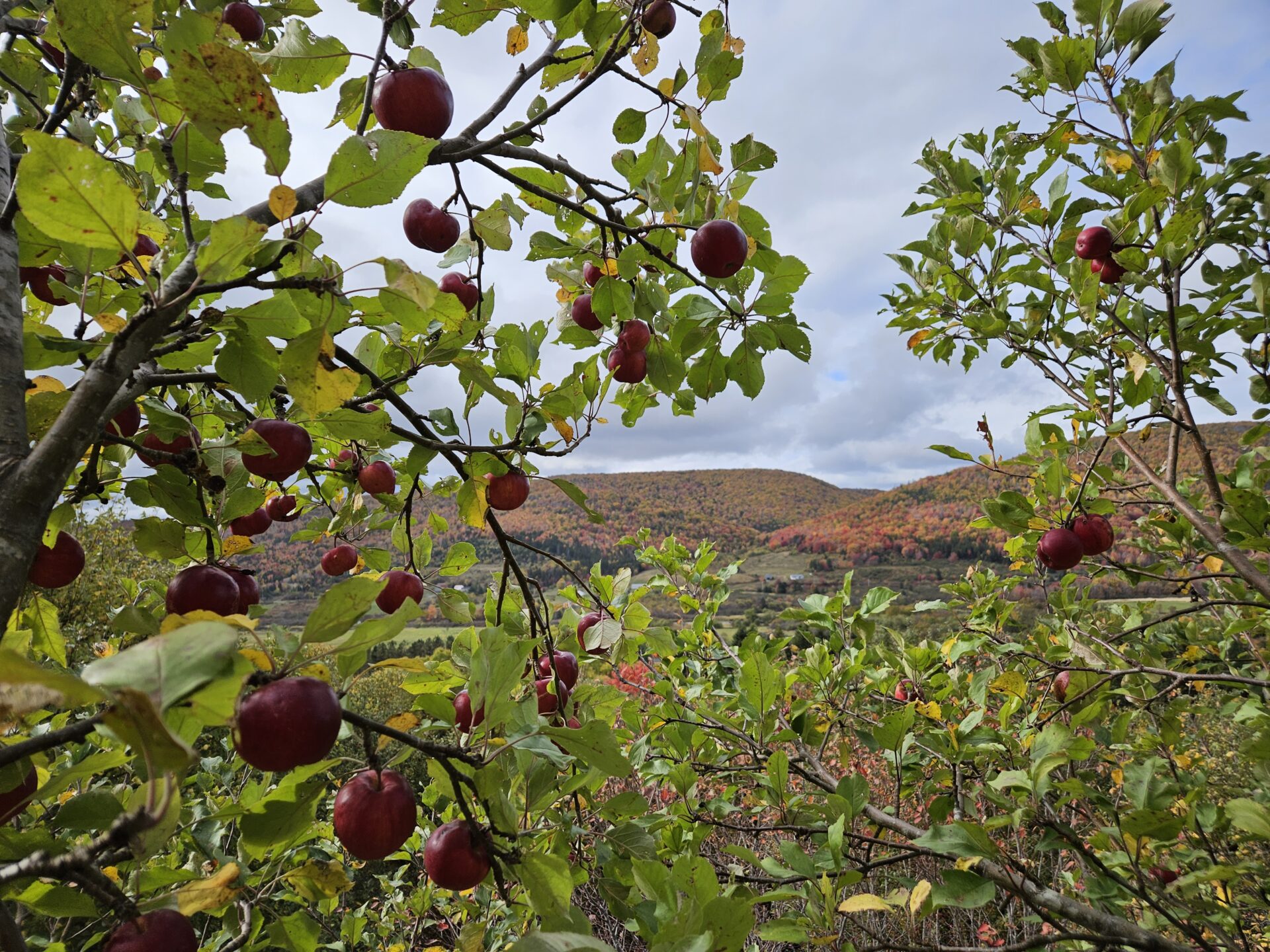
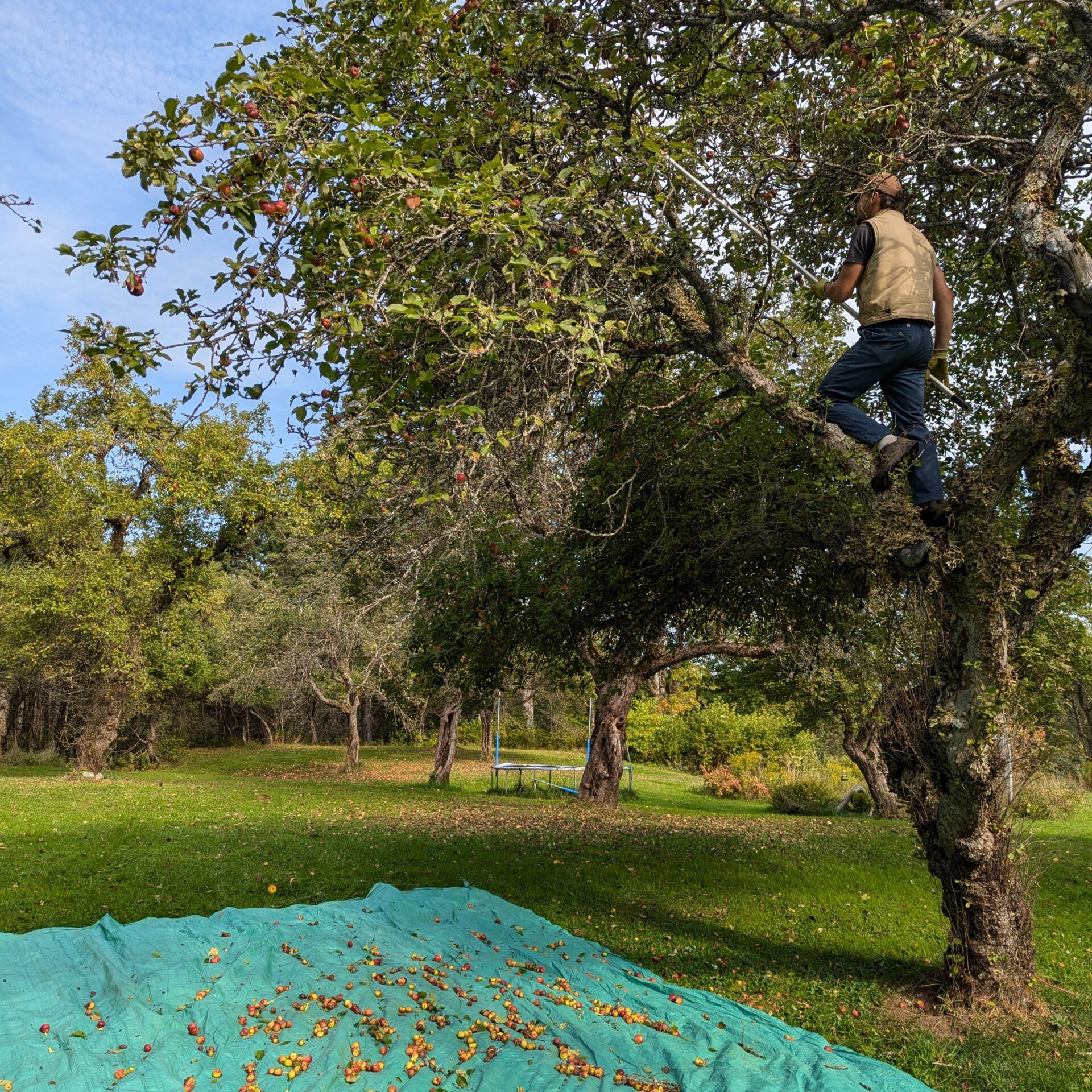
At the core of any cider making is the quality and character of the apples used to make it. All our apples are handpicked on Cape Breton island from wild and forgotten trees. Back in the day, the many old homesteads that dot this landscape,  would have a number of big old apple trees around the house or behind the barn. In Cape Breton these were used for sauces, jellies, pies, fresh juice, vinegar and although I haven’t found many that will admit it to it, you have to imagine they were making cider! 

The bulk of our apples were not planted by anyone at all, but rather chance seedlings, spread by deer, birds, squirrels or coyote.  No doubt descendants of the old homestead trees we find these trees in the hedgerows, ditches, old meadows. Would you want to take a big bite out of one? Probably not, but for cider these apples are complex, rich in sugars and tannins, and are hard to beat when it comes to cider making.

Each bottle of cider contains dozens of different apple varieties.

Wild Fermentation

We let wild yeasts—already on the apples—do the work of turning fresh juice into cider. Most cider makers go for commercial yeasts because they’re fast, predictable, and consistent.

We believe the apples already have everything they need to make really good cider, our job is to guide this process, giving it a little nudge here and there. And we like a little mystery.

By embracing the slower, less predictable path, we trade convenience for character. Long fermentations, no added sulfites, and a cider that truly reflects the apples, the season, and the wild yeasts that made it happen. The result? Deep, complex flavors that you won’t find anywhere else.

Traditional yet Playful

We make cider using traditional methods—low-tech, hands-on, and following the rythms of the seasons.

Once harvested, we let the apples sweat- loosing water, concentrating their flavours.

We press the apples, letting wild yeasts do their thing. Fermentation happens in an unheated space, slowing in the winter, waking up in the spring- slow and steady, which helps retain more flavor. We monitor it carefully, bottling at just the right moment. No shortcuts. No added sulfites or other additives. Just apples.

This kind of cidermaking is more time consuming and less predictable, 

Our Style

Though our methods may be traditional,  we don’t feel limited to only making “traditional ciders”. Inspired by what grows around us, we are contiually experimenting with new coferments, foraging wild ingreditents or using what’s grown in the understory of the apple trees. Some experiments never make it past the cellar door—many turn into something really special. Our small size allows us to Either way, we’ll keep tinkering. to make create new cidersWe wanted to make the kind of cider we wanted to drink—one that wasn’t already out there. That means:

  • Unfiltered and full of character
  • Zero added sulfites—just apple!
  • Rooted in tradition but open to experimentation

We love playing with different techniques, like maceration times, and infusing our ciders with other local fruits and botanicals—many of which we grow right here on our farm.